
Marine Safety Gear Explained: What You Really Need
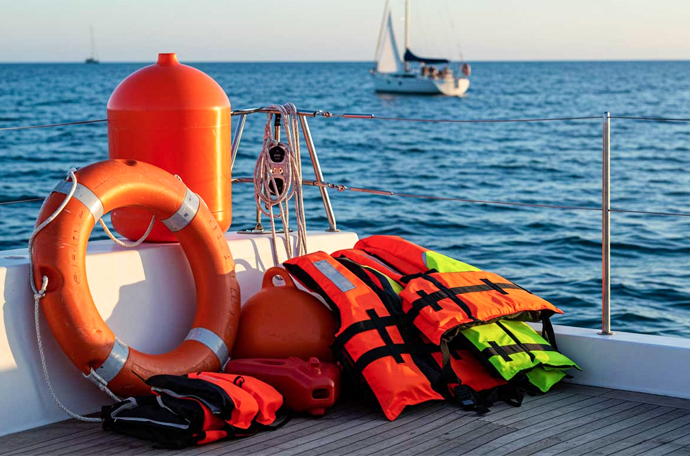
Safety on the water isn’t optional—it’s essential. Whether you’re heading out for a short cruise or a full day offshore, having the right marine safety gear onboard can make the difference between a minor inconvenience and a serious emergency.
With so many products available, it’s easy to overbuy—or worse, miss something critical. This guide explains what marine safety gear you truly need, what’s legally required, and what’s smart to have for extra protection.
Why Marine Safety Gear Matters
Boating environments are unpredictable. Weather changes, mechanical issues, and human error can happen to anyone.
Proper safety gear helps you:
-
Protect passengers and crew
-
Respond quickly in emergencies
-
Stay compliant with boating regulations
-
Reduce risk during unexpected situations
-
Enjoy peace of mind on the water
Prepared boaters are safer boaters.
Personal Flotation Devices (PFDs)
Life jackets are the most important safety item on any boat.
What to know:
-
A properly sized PFD is required for every passenger
-
Children should always wear a life jacket underway
-
Inflatable PFDs are comfortable but require maintenance
Always keep life jackets easily accessible—not buried in storage.
Throwable Flotation Devices
In addition to wearable PFDs, boats should carry a throwable flotation device.
These are used to:
-
Assist someone who has fallen overboard
-
Extend flotation while rescue is underway
Keep throwable devices within reach at all times.
Fire Extinguishers
Fire risks are higher on boats due to fuel and electrical systems.
Important tips:
-
Carry the correct type and size of extinguisher
-
Ensure it is fully charged
-
Know how to use it before an emergency
Fire extinguishers should be mounted and easy to access.
Visual Distress Signals
Distress signals allow others to locate you during an emergency.
Common options include:
-
Flares
-
Orange distress flags
-
Signal lights
Check expiration dates regularly and replace when needed.
Sound-Producing Devices
Sound signals are required to alert nearby boats.
These include:
-
Whistles
-
Air horns
-
Built-in horns
They are essential for low visibility and emergency signaling.
Navigation Lights
Navigation lights help other vessels see you and understand your direction.
Make sure to:
-
Test lights before every trip
-
Replace burned-out bulbs
-
Use lights from sunset to sunrise and during low visibility
Proper lighting reduces collision risk.
First Aid Kit
A well-stocked first aid kit is a must onboard.
It should include:
-
Bandages and antiseptics
-
Motion sickness medication
-
Gloves and basic medical supplies
Customize your kit based on trip length and passenger needs.
Bilge Pumps and Emergency Water Control
Water intrusion can escalate quickly.
Best practices:
-
Ensure bilge pumps are working properly
-
Test automatic and manual functions
-
Keep backup options available
Quick water removal is critical for safety.
Anchor and Line
An anchor isn’t just for stopping—it’s a safety tool.
It can:
-
Prevent drifting into danger
-
Hold position during mechanical issues
-
Provide stability in rough conditions
Every boat should have a properly sized anchor and line.
Emergency Communication Equipment
Being able to call for help is essential.
Consider:
-
Marine radio
-
Backup communication devices
-
Fully charged mobile phones in waterproof cases
Reliable communication saves lives.
What’s Required vs. What’s Recommended
Legal requirements vary by boat size and location, but minimum gear is not always enough.
Smart boaters carry:
-
Extra safety equipment
-
Redundant systems
-
Backup tools and signaling devices
Going beyond minimum requirements adds a valuable safety margin.
Common Safety Gear Mistakes to Avoid
-
Storing safety gear out of reach
-
Carrying expired flares
-
Ignoring equipment inspections
-
Not briefing passengers on safety items
Knowing where your gear is—and how to use it—is just as important as having it.
Final Thoughts: Safety Is Part of Seamanship
Marine safety gear isn’t about fear—it’s about preparation.
When you carry the right equipment and maintain it properly, you protect everyone onboard and make boating safer and more enjoyable.
A prepared boat is a confident boat.
FAQ
Q: Is marine safety gear legally required?
A: Yes. Regulations vary by boat size and location, but certain items are mandatory.
Q: How often should safety gear be inspected?
A: Before every trip and periodically throughout the season.
Q: Can safety gear be stored anywhere onboard?
A: No. Safety equipment should be accessible in emergencies.