
How to Inspect and Maintain Your Boat Trailer for Safety
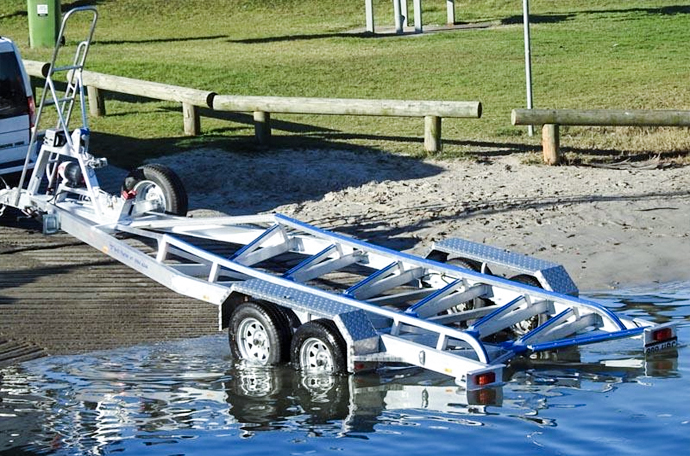
A boat trailer is more than a transport device—it’s a critical part of your boating experience. A poorly maintained trailer can cause accidents, damage your boat, or leave you stranded at the ramp.
Regular inspections and maintenance keep your trailer safe, reliable, and ready for every trip.
This guide covers how to inspect and maintain your boat trailer, ensuring your boat stays protected and you stay safe on the road.
Why Trailer Maintenance Matters
Trailers endure heavy loads, vibrations, and environmental exposure. Neglecting maintenance can result in:
-
Tire blowouts or failures
-
Rusted frames and weakened axles
-
Faulty brakes or lights
-
Misalignment or suspension problems
Regular care protects your investment, prevents accidents, and extends trailer lifespan.
Step 1: Inspect Tires and Wheels
Tires are your trailer’s contact point with the road.
-
Check tire pressure and inflate to manufacturer specifications
-
Look for cracks, bulges, or worn tread
-
Inspect wheel bearings and lubricate as needed
-
Ensure lug nuts are tight and secure
Proper tires reduce risk of blowouts and improve towing stability.
Step 2: Examine the Frame and Suspension
Your trailer’s frame and suspension bear the boat’s full weight.
-
Look for rust, corrosion, or cracks in the frame
-
Inspect leaf springs, shackles, and suspension components
-
Check for loose bolts or damaged mounts
-
Repair or reinforce weak points immediately
A strong frame ensures safe transport and protects your boat hull.
Step 3: Check the Braking System
Brakes are essential for larger trailers.
-
Test trailer brakes before every trip
-
Inspect brake pads, drums, or rotors for wear
-
Ensure hydraulic or electric brake systems are functioning
-
Check brake fluid levels if applicable
Functional brakes are critical for stopping safely, especially on slopes or wet ramps.
Step 4: Test Lights and Wiring
Trailer lights keep you visible and legal on the road.
-
Inspect tail lights, brake lights, and turn signals
-
Check wiring for corrosion, frays, or loose connections
-
Replace bulbs or repair connections as needed
-
Ensure the trailer connector properly matches the towing vehicle
Proper lighting prevents accidents and fines.
Step 5: Examine Bunks, Rollers, and Winch
The points of contact between boat and trailer need care.
-
Inspect bunks and rollers for wear or damage
-
Ensure the winch cable or strap is intact and lubricated
-
Replace frayed or cracked parts immediately
-
Align bunks and rollers to prevent hull scratches
Well-maintained supports protect your boat’s hull during transport and launching.
Step 6: Lubricate Moving Parts
Lubrication reduces wear and corrosion.
-
Grease wheel bearings and axles regularly
-
Lubricate winch gears and hinges
-
Apply anti-corrosion spray to metal parts
-
Check moving suspension parts for smooth operation
This prevents costly repairs and extends trailer life.
Step 7: Check Hitch and Safety Chains
Hitch components are your link to the towing vehicle.
-
Inspect hitch ball and coupler for wear or cracks
-
Ensure safety chains are attached and in good condition
-
Test hitch lock and adjust height for level towing
-
Replace damaged chains or couplers immediately
A secure hitch ensures safe towing and prevents detachment.
Step 8: Inspect Trailer Alignment
Proper alignment improves towing safety.
-
Check that axles are straight and not bent
-
Ensure wheels track correctly and tires wear evenly
-
Adjust or realign if the trailer pulls to one side
Good alignment reduces tire wear and prevents swaying.
Step 9: Perform Routine Cleaning
Salt, dirt, and debris accelerate corrosion.
-
Rinse the trailer after every saltwater use
-
Wash frames, bunks, and rollers thoroughly
-
Dry completely to prevent rust buildup
-
Apply protective coatings or wax if desired
Clean trailers last longer and operate more reliably.
Common Trailer Maintenance Mistakes
-
Neglecting tires and bearings
-
Ignoring corrosion or rust
-
Failing to test lights and brakes
-
Overloading beyond rated capacity
-
Skipping routine inspections
Avoiding these mistakes keeps your trailer safe and your boat protected.
Final Thoughts: A Safe Trailer Equals a Safe Boating Experience
Routine inspection and maintenance are essential for any boat trailer. With proper care, you’ll prevent accidents, extend trailer life, and ensure your boat is transported safely.
A well-maintained trailer is as important as a well-maintained boat—it’s the foundation of safe boating adventures.
FAQ
Q: How often should I inspect my boat trailer?
A: Before every trip and periodically throughout the boating season.
Q: Do I need to lubricate trailer parts?
A: Yes. Bearings, axles, and moving components should be greased regularly.
Q: Can a poorly maintained trailer damage my boat?
A: Absolutely. Misaligned bunks, worn rollers, or corrosion can scratch or stress the hull.