
How to Choose the Right Boat Trailer for Your Vessel
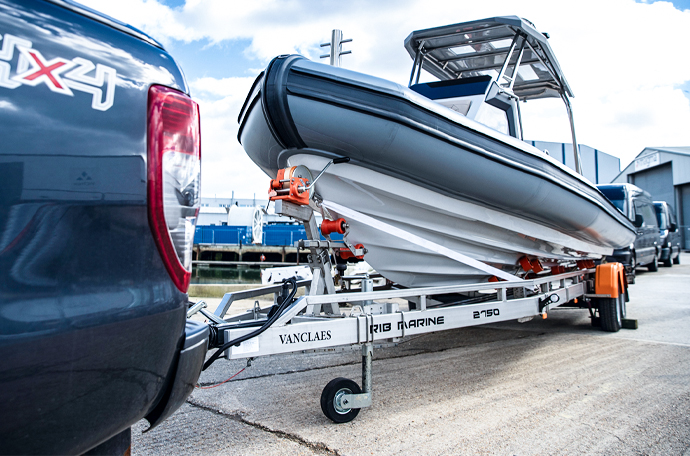
A boat trailer isn’t just a way to transport your boat—it’s a critical piece of equipment that affects safety, convenience, and the longevity of your vessel. Choosing the wrong trailer can lead to damaged hulls, unsafe towing, or costly repairs.
This guide walks you through how to choose the right boat trailer for your specific boat, taking into account size, weight, material, and towing needs.
Why the Right Boat Trailer Matters
A well-matched trailer provides:
-
Safe transport on highways and ramps
-
Proper support for your hull
-
Ease of launching and retrieval
-
Longer lifespan for both boat and trailer
Using an unsuitable trailer can cause hull damage, poor handling, or unsafe towing conditions.
Step 1: Match Trailer Size to Your Boat
The first factor to consider is length and weight.
-
Trailer length should support the full length of your boat, with bunks or rollers aligned with the hull
-
Trailer weight capacity must exceed your boat’s fully loaded weight (including fuel, gear, and passengers)
-
Overloading a trailer is dangerous and can damage both the trailer and your towing vehicle
Always check your boat manufacturer’s recommendations.
Step 2: Choose the Right Trailer Type
There are three main types of boat trailers:
-
Bunk Trailers
-
Support the boat along the hull using carpeted or padded bunks
-
Ideal for fiberglass boats
-
Simple and cost-effective
-
-
Roller Trailers
-
Use rollers to support the boat
-
Easier to launch and retrieve, especially on shallow ramps
-
Common for heavier boats or boats with flat bottoms
-
-
Float-On Trailers
-
The boat floats onto the trailer, making it easier to load/unload
-
Usually used with larger powerboats
-
Step 3: Consider Trailer Materials
Trailer materials affect weight, corrosion resistance, and maintenance.
-
Galvanized Steel: Durable, corrosion-resistant, ideal for saltwater
-
Painted Steel: More affordable but requires maintenance to prevent rust
-
Aluminum: Lightweight, corrosion-resistant, and easier to tow
Saltwater use favors galvanized steel or aluminum trailers.
Step 4: Check Axles and Suspension
Trailer axles and suspension affect towing stability and ride quality.
-
Single or tandem axles depend on boat weight
-
Tandem axles provide better stability for heavier boats
-
Check springs, leaf suspensions, and bunks for durability
Proper suspension reduces stress on both boat and trailer.
Step 5: Inspect Tires, Brakes, and Lights
Safety is non-negotiable.
-
Tires should match trailer load rating and be in good condition
-
Consider brakes for larger boats (electric or surge)
-
Ensure all lights, wiring, and reflectors meet legal requirements
Proper equipment prevents accidents and legal issues.
Step 6: Accessories and Extras
Extra features can improve convenience and safety.
-
Winches for easier loading
-
Guides to center the boat on the trailer
-
Roller kits or keel supports
-
Spare tires and tool kits
These small additions make trailering and launching much simpler.
Step 7: Verify Towing Vehicle Compatibility
Your trailer isn’t useful if your vehicle can’t tow it safely.
-
Check the towing capacity of your truck or SUV
-
Consider hitch type and weight distribution
-
Ensure brakes and wiring are compatible
Matching your trailer to your towing vehicle is critical for safety.
Common Mistakes to Avoid
-
Choosing a trailer too small for your boat
-
Ignoring weight ratings and axle limits
-
Skipping corrosion-resistant materials for saltwater use
-
Forgetting trailer brakes and proper lights
-
Neglecting regular maintenance of bunks, rollers, or tires
Final Thoughts: The Right Trailer Makes Boating Easier
Investing in the right boat trailer protects your vessel, ensures safe transport, and makes launching and retrieving your boat hassle-free.
Take the time to match size, type, material, and towing requirements. The right trailer not only safeguards your boat but also improves your overall boating experience.
FAQ
Q: How do I know if a trailer fits my boat?
A: Match the trailer length, bunks or rollers, and weight capacity to your boat’s specifications.
Q: Do I need brakes on my boat trailer?
A: Yes, especially for larger or heavier boats, as required by law in most states.
Q: What’s the best trailer material for saltwater use?
A: Galvanized steel or aluminum is preferred for corrosion resistance.