
How to Winterize Your Boat Step-by-Step (Even in Mild Climates).
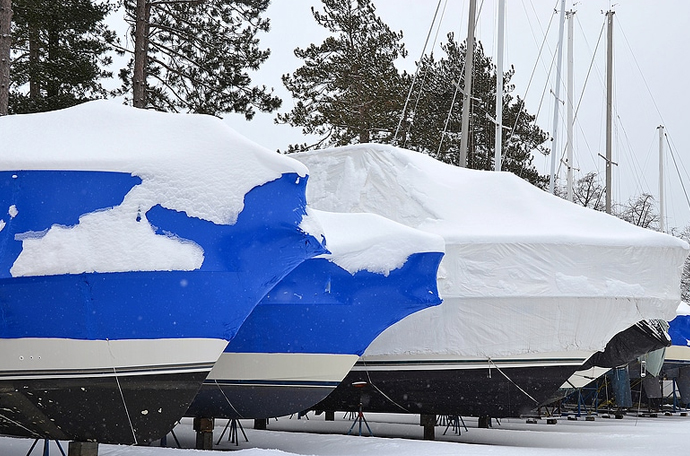
Winterizing isn’t just about preventing frozen pipes. It’s about long-term protection.
Winterizing your boat helps you:
-
Prevent corrosion and rust
-
Protect fuel systems from breakdown
-
Avoid mold and mildew buildup
-
Extend engine and component life
-
Reduce spring repair costs
Boats that sit unused for months without preparation often develop issues that could have been easily avoided.
Step 1: Clean Your Boat Thoroughly
Before winterizing, your boat should be completely clean.
-
Wash the hull, deck, and cockpit
-
Remove salt, dirt, and marine growth
-
Clean storage compartments
-
Dry all surfaces completely
Leaving grime or moisture behind can lead to stains, corrosion, and mold during storage.
Step 2: Protect the Fuel System
Fuel-related problems are among the most common issues after winter storage.
-
Fill the fuel tank to reduce condensation
-
Add a marine fuel stabilizer
-
Run the engine long enough to circulate treated fuel
-
Shut off fuel valves if applicable
This prevents fuel degradation and clogged fuel lines.
Step 3: Change Engine Oil and Filters
Old oil contains contaminants that can damage internal engine components.
-
Drain used engine oil
-
Replace oil and fuel filters
-
Dispose of used fluids properly
Fresh oil protects your engine during long periods of inactivity.
Step 4: Flush and Protect the Cooling System
Salt, debris, and minerals can remain in the cooling system if not flushed.
-
Flush the engine thoroughly with fresh water
-
Drain the cooling system if required
-
Add marine antifreeze where applicable
This step is important even in warm climates to prevent corrosion.
Step 5: Fog the Engine Cylinders
Fogging coats internal engine parts with protective oil.
-
Remove spark plugs
-
Spray fogging oil into each cylinder
-
Turn the engine manually if recommended by the manufacturer
-
Reinstall spark plugs
Fogging helps prevent rust inside the engine during storage.
Step 6: Drain and Protect Water Systems
Any onboard water systems should be fully drained.
-
Empty freshwater tanks
-
Drain livewells, washdown systems, and pumps
-
Run antifreeze through plumbing if needed
This prevents damage from trapped water and reduces bacterial growth.
Step 7: Battery Care and Electrical Protection
Batteries left unattended often fail during storage.
-
Disconnect batteries from the boat
-
Clean battery terminals
-
Store batteries in a cool, dry place
-
Keep batteries charged periodically
This helps maintain battery life and performance.
Step 8: Interior Preparation and Mold Prevention
Moisture is the enemy during winter storage.
-
Remove food, trash, and valuables
-
Clean upholstery and carpets
-
Use moisture absorbers if needed
-
Leave storage compartments slightly open for ventilation
Proper airflow reduces mold and mildew buildup.
Step 9: Protect the Exterior and Storage Setup
How you store your boat matters as much as winterization itself.
-
Use a breathable boat cover
-
Avoid trapping moisture under plastic tarps
-
Lubricate hinges, latches, and moving parts
-
Support covers to prevent water pooling
Proper storage prevents cosmetic and structural damage.
Step 10: Don’t Forget the Trailer
Trailer maintenance is often overlooked.
-
Check tire pressure and tread
-
Grease wheel bearings
-
Inspect lights and wiring
-
Rinse the trailer thoroughly, especially after saltwater use
A neglected trailer can delay your next launch.
Common Winterization Mistakes to Avoid
-
Skipping fuel stabilization
-
Forgetting to change engine oil
-
Leaving water in hoses or pumps
-
Storing the boat while dirty
-
Ignoring battery maintenance
These mistakes can lead to expensive spring repairs.
Final Thoughts: A Little Work Now Saves a Lot Later
Winterizing your boat doesn’t have to be complicated, but it does need to be thorough.
By following this step-by-step winterization guide—even in mild climates—you’ll protect your boat from corrosion, mechanical issues, and costly downtime.
A properly winterized boat means peace of mind during the off-season and a smooth, stress-free start when boating season returns.
FAQ
Q: Do I need to winterize my boat in warm climates?
A: Yes. Corrosion, fuel degradation, and moisture damage can occur even without freezing temperatures.
Q: Can I winterize my boat myself?
A: Many steps can be done DIY, but engine-specific procedures should follow manufacturer guidelines.
Q: When should I winterize my boat?
A: As soon as you stop using your boat regularly for the season.