
Top 10 Essential Tools Every Boat Owner Needs Onboard
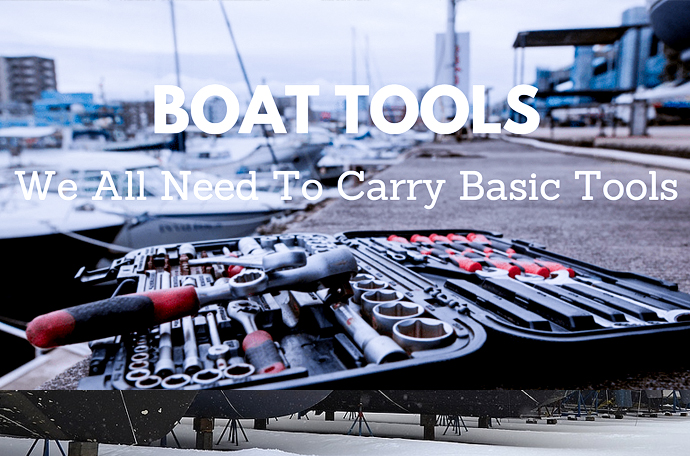
Why Every Boat Needs a Basic Tool Kit
Boats operate in harsh environments. Vibration, moisture, salt, and constant motion all take a toll on hardware and systems.
A proper onboard tool kit helps you:
-
Perform quick repairs on the water
-
Improve safety for passengers
-
Prevent minor issues from escalating
-
Reduce towing and repair costs
-
Stay confident during longer trips
Prepared boaters are safer boaters.
1. Adjustable Wrench
An adjustable wrench is one of the most versatile tools you can carry onboard.
It allows you to:
-
Tighten loose bolts and nuts
-
Adjust clamps and fittings
-
Handle emergency mechanical fixes
Choose a corrosion-resistant version suitable for marine environments.
2. Screwdriver Set (Flathead & Phillips)
Screws are everywhere on a boat—from panels and electrical connections to hose clamps.
A basic screwdriver set helps with:
-
Electrical connections
-
Interior and exterior hardware
-
Electronics mounting adjustments
A multi-bit screwdriver can save space.
3. Pliers (Standard and Needle-Nose)
Pliers are invaluable for gripping, bending, and pulling.
They are especially useful for:
-
Removing stubborn pins
-
Working with wires
-
Handling fishing hooks and rigging
Needle-nose pliers are ideal for tight spaces.
4. Marine-Grade Multitool
A multitool combines several tools into one compact device.
Common features include:
-
Knife blade
-
Pliers
-
Screwdrivers
-
Wire cutters
It’s perfect for quick fixes and emergencies when space is limited.
5. Electrical Tape and Marine Sealant
Temporary repairs often require sealing and insulation.
Electrical tape and marine sealant help:
-
Protect exposed wiring
-
Seal small leaks
-
Secure loose fittings
Always choose products designed for marine use.
6. Spare Fuses and Electrical Connectors
Electrical failures are common on boats.
Keeping spare fuses and connectors onboard allows you to:
-
Restore power quickly
-
Troubleshoot electrical issues
-
Avoid being stranded due to a blown fuse
Store them in a waterproof container.
7. Utility Knife
A sharp utility knife serves many purposes onboard.
It can be used to:
-
Cut rope and lines
-
Trim hoses
-
Open packaging or supplies
A stainless or rust-resistant blade is best for marine conditions.
8. Flashlight or Headlamp
Visibility is critical when repairs are needed in low-light conditions.
A flashlight or headlamp helps you:
-
Inspect engine compartments
-
Work at night or in poor weather
-
Signal in emergencies
Rechargeable or waterproof models are recommended.
9. Duct Tape
Duct tape is a surprisingly effective temporary repair solution.
It can:
-
Secure loose components
-
Patch minor leaks
-
Bundle hoses or cables
While not a permanent fix, it can get you safely back to shore.
10. Boat-Specific Emergency Repair Kit
In addition to basic tools, a small emergency repair kit can make a huge difference.
It may include:
-
Hose clamps
-
Zip ties
-
Spare bolts and nuts
-
Repair plugs or patches
These items handle the most common on-the-water issues.
How to Store Tools Safely Onboard
Proper storage keeps tools usable and accessible.
-
Use waterproof containers
-
Store tools in dry, ventilated areas
-
Secure kits to prevent movement
-
Rinse and dry tools after saltwater exposure
Well-maintained tools last longer and work better when you need them most.
Common Mistakes Boat Owners Make with Tools
-
Carrying household tools instead of marine-grade
-
Storing tools where moisture accumulates
-
Forgetting to replace used or damaged tools
-
Not knowing where tools are stored
Preparation includes both having the tools and knowing how to use them.
Final Thoughts: Be Prepared, Stay Confident
You don’t need a full workshop onboard—but you do need the basics.
With these 10 essential tools, you’ll be prepared to handle common issues, improve safety, and keep small problems from ruining your day on the water.
A well-equipped boat gives you peace of mind and lets you focus on what boating is really about: enjoying the journey.