
Top Tips for Storing Your Boat During the Off-Season
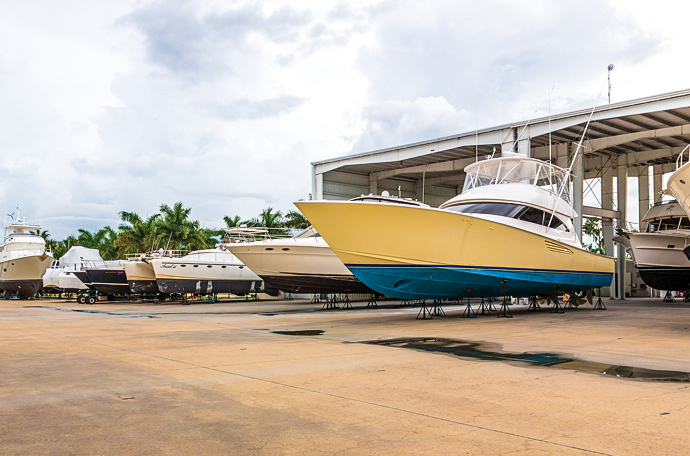
Proper off-season storage is one of the most important things you can do to protect your boat, save money on repairs, and ensure it’s ready for the next season. Neglecting storage can lead to mold, corrosion, battery damage, and even engine problems.
This guide shares top tips for storing your boat during the off-season, whether you keep it in a marina, garage, or dry storage facility.
Why Off-Season Storage Matters
Boats face wear not just while on the water, but also while idle. Water, weather, and pests can cause:
-
Hull damage from moisture or UV exposure
-
Mold and mildew growth inside the cabin
-
Engine and battery deterioration
-
Rust and corrosion on metal components
Proper storage keeps your boat in peak condition and reduces costly repairs.
Step 1: Clean and Wash the Boat Thoroughly
Before storage, remove dirt, salt, and grime:
-
Wash the hull, deck, and interior with marine-safe cleaners
-
Remove algae, barnacles, or other buildup
-
Dry the boat completely to prevent mold and corrosion
A clean boat prevents damage while in storage.
Step 2: Winterize the Engine
Winterizing your engine protects it from freezing, corrosion, and fuel degradation:
-
Flush the engine with fresh water
-
Add fuel stabilizer to the tank
-
Change engine oil and replace the oil filter
-
Drain water from the cooling system or add antifreeze
Follow the manufacturer’s guidelines for your specific engine type.
Step 3: Remove or Protect Batteries
Batteries require special care during storage:
-
Disconnect and remove batteries if possible
-
Store in a cool, dry location
-
Keep fully charged and maintain periodically with a battery maintainer
This prevents sulfation and extends battery life.
Step 4: Cover Your Boat Properly
A good cover protects from UV damage, dirt, and pests:
-
Use a breathable, waterproof cover that fits snugly
-
Avoid tight covers that trap moisture
-
Check for tears or loose areas regularly
Proper covering prevents damage and reduces cleaning before the next season.
Step 5: Protect the Interior
Interior components are sensitive to moisture and pests:
-
Remove electronics, cushions, and valuables
-
Store items in dry, ventilated areas
-
Use moisture absorbers to prevent mold and mildew
A dry interior keeps upholstery and electronics in top condition.
Step 6: Check and Maintain Trailer
If storing the boat on a trailer, don’t forget it:
-
Inspect tires and bearings
-
Lubricate moving parts
-
Protect exposed metal from rust
-
Ensure the boat is properly secured
A well-maintained trailer ensures safe transport next season.
Step 7: Choose the Right Storage Location
The storage environment affects boat longevity:
-
Indoor storage protects against weather and UV damage
-
Outdoor storage is acceptable with a proper cover and supports
-
Dry storage facilities often provide additional protection and convenience
Select a location that balances cost, convenience, and protection.
Step 8: Regular Check-Ins
Even during storage, periodic inspections help catch problems early:
-
Check for water accumulation or leaks
-
Inspect covers and supports
-
Ensure the boat remains stable and secure
Small checks prevent major issues when launching next season.
Common Off-Season Storage Mistakes
-
Skipping engine winterization
-
Leaving batteries connected and unmaintained
-
Using non-breathable covers that trap moisture
-
Storing boats in unstable or uneven positions
-
Ignoring pest prevention
Avoid these mistakes to protect your investment.
Final Thoughts: Protect Your Investment Year-Round
Proper off-season storage ensures your boat stays clean, safe, and ready to hit the water. A little time and preparation now prevent major headaches later.
Plan ahead, follow these tips, and your boat will thank you with smooth, stress-free outings next season.
FAQ
Q: Do I need to winterize my engine if I live in a mild climate?
A: Yes. Even mild climates can cause corrosion and fuel degradation over time.
Q: Should I leave the boat on the trailer or in the water?
A: Dry storage on a trailer or indoor facility is preferred to prevent hull damage and corrosion.
Q: How often should I check my stored boat?
A: Ideally every month or two to ensure no leaks, moisture, or damage occurs.